
This post may contain affiliate links.
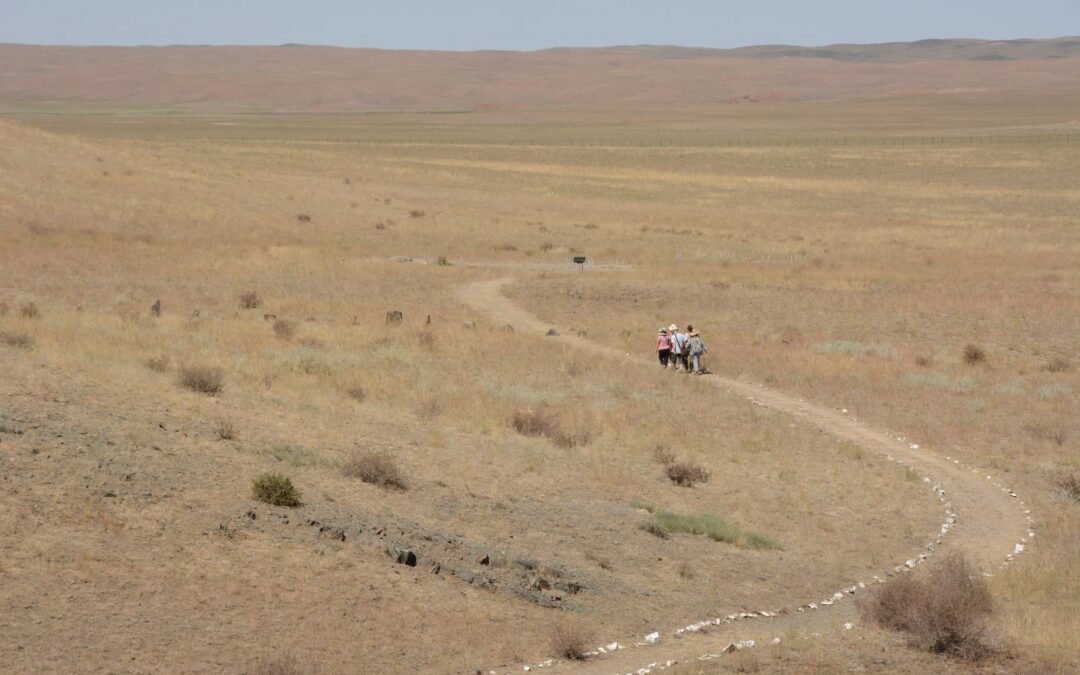
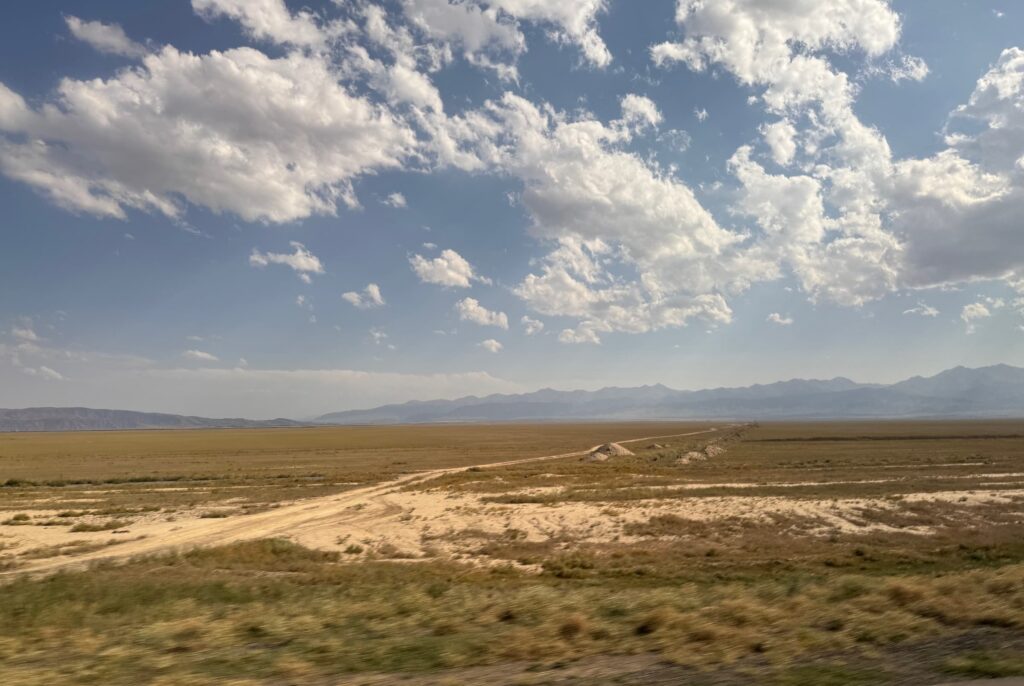
The endless steppe is like a blanket, laid out all around us. There are no wrinkles, nor piles of pillows on this unmade bed. It’s just flat land, parched and covered in grass. The road beats a straight line to the horizon. Mercilessly for our driver, there have been no curves, and there’s none in sight. In the far distance, the Tian Shan mountain range, cuts the border between Kazakhstan and Kyrgyzstan. To the north is Russia, and to the east is China. Why visit Kazakhstan and Kyrgyzstan you might be wondering?
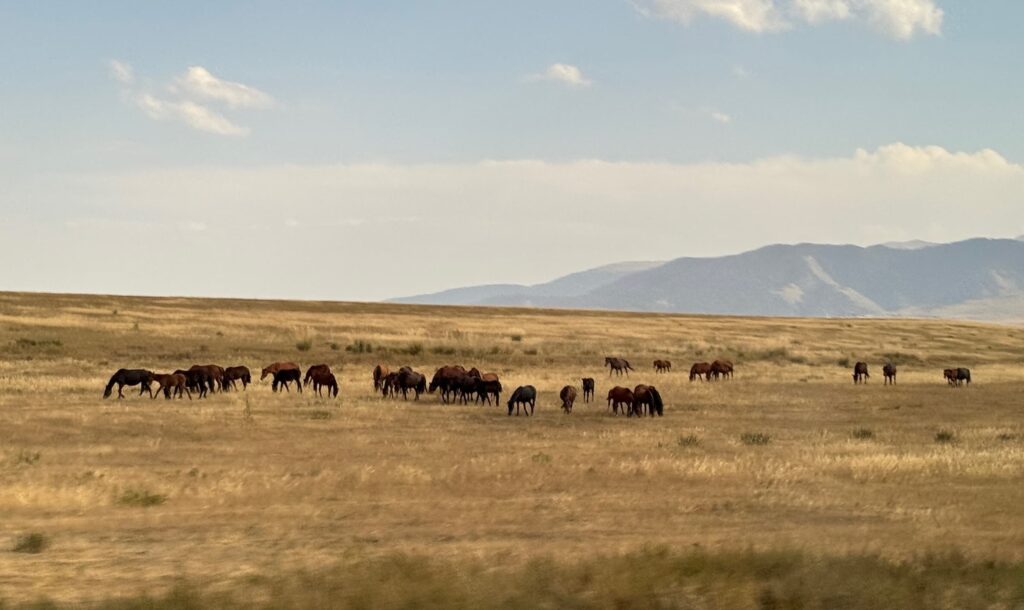
Horses run free here
I glance out the window where a herd of wild horses gallop, keeping pace with our van. Their hooves break soil crust, and the dust left behind forms a cloud in the wind. They’re unbridled, strong and running free. Horses are a major part of culture here. They’ve powered nomadic life for centuries. Those hooves pulverizing the land will help plants grow better than any cultivator. And when the horses stop to graze the steppe’s grass, their hunger will help mitigate wildfires, we learn.
But right now, the horses carefree spirit parallels my own journey, running free in a foreign land. Welcome to Central Asia.
When I told people my travel plans, I was often greeted with a raised eyebrow, tilted head, and the inevitable question – why visit Kazakhstan and Kyrgyzstan? Other queries percolated beneath the surface, usually left unasked. Weren’t those countries formerly part of the USSR? Is it safe? What about the war in the Middle East?
Kazakhstan and Kyrgyzstan are both beautiful and diverse, steeped in Silk Road history, ancient civilizations, nomadic culture, and dark periods in history under Soviet rule. For the adventure traveler, they are a rare find, offering cultural education and language challenges mixed with a bounty of outdoor pursuits. All in an uncommon destination, with emerging tourism infrastructure, as yet undiscovered.
To truly understand Kazakhstan and Kyrgyzstan though, you need to start with the land. Because once you understand the terrain, you understand everything else.
Where much of Kyrgyzstan sits at elevation, dominated by mountains, the majority of Kazakhstan is, or formerly was steppe, made up of flat, dry grasslands. The country shares a 6,000 km border with Russia. It is vast.
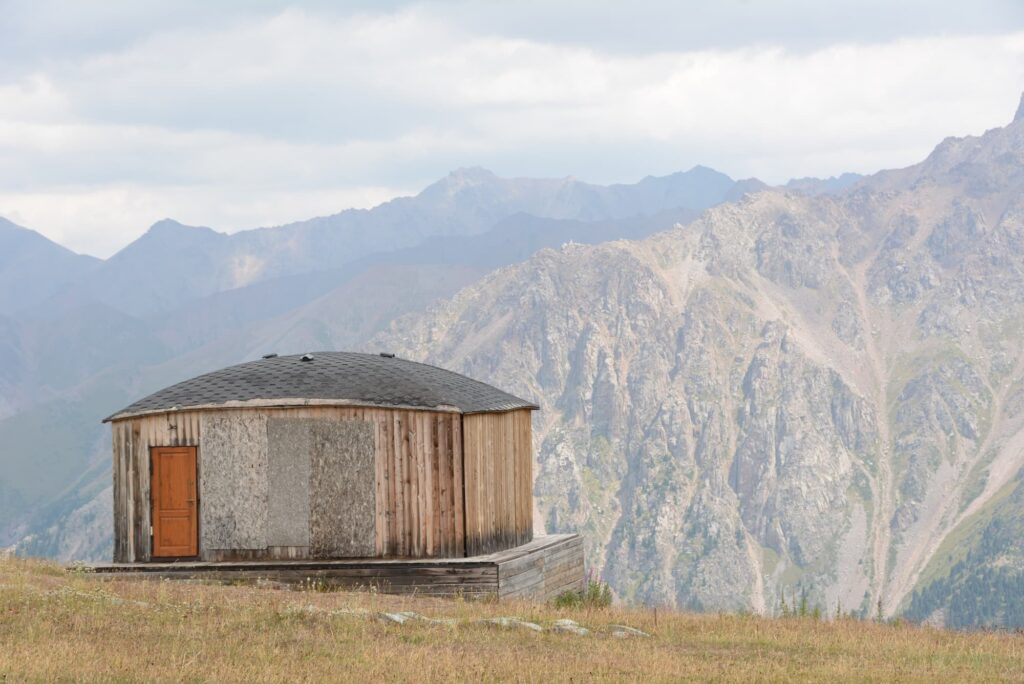
By contrast, the whole country of Kyrgyzstan is at elevation, with the Tien Shan mountain range running the border with Kazakhstan. From those mountains, winter snow feeds rivers that run across all of Central Asia.
Land that drives a way of life
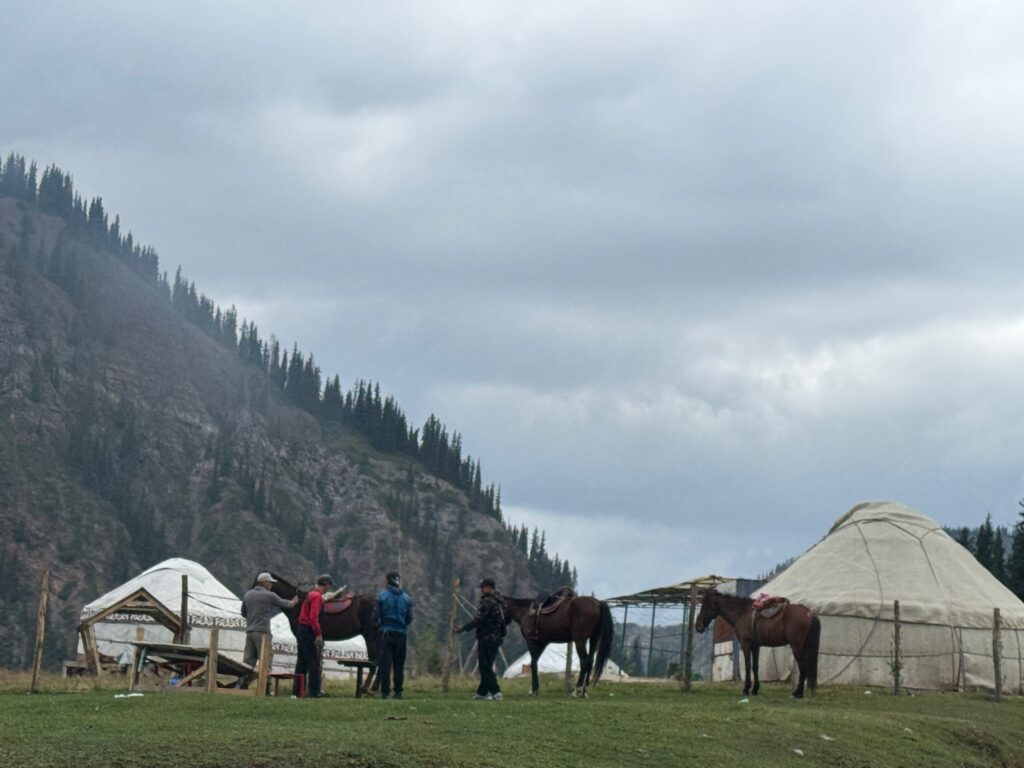
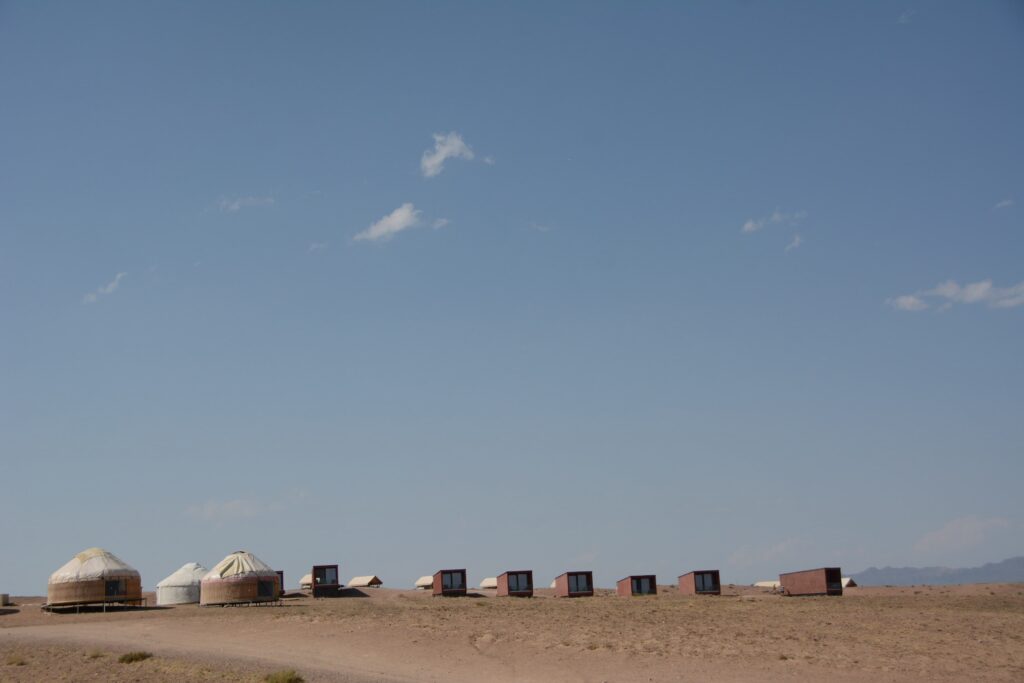
You can’t farm most of this land, so people move, taking animals to higher summer pastures where the grass grows, and bringing them down before the snow flies. This seasonal move, became a pattern of nomadic life, which survives to this day. It’s also why trained eagle hunting birds exist, why homes are felt domed portable yurts, and why horses are treasured. When the land won’t let you settle, you get good at moving.
The Silk Road
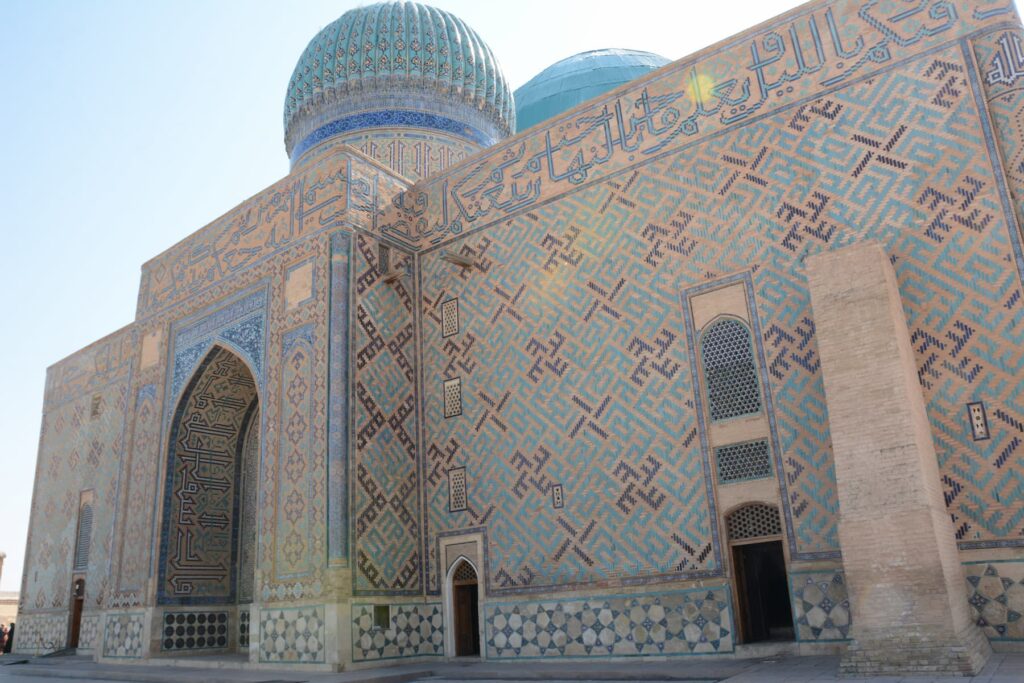
Old Silk Road trade routes ran across these lands, which made them a corridor for caravans, armies and religious ideas, all crossing the same passes for centuries. The Silk Road turned the lands of Kazakhstan and Kyrgyzstan into a global crossroads that sparked urban growth, economic wealth, and a cultural exchange between the East and the West. Buddhism, Christianity and later Islam spread peacefully alongside goods, blending diverse traditions across the region.
Not much was written down during ancient times, but there’s an oral poem from Kyrgyzstan, called the Epic of Manas. It details the legendary warrior Manas uniting tribes and defending people against external enemies. With over 500,000 lines of verse, the Epic of Manas is longer than Homer’s Odyssey and Iliad combined. It was memorized and recited out loud, to preserve history.
Soviet influence
Into this mix of ancient history and diverse cultures came the Soviets in 1917, moving nomadic families off grasslands and into villages. Soviet suppression almost ended the nomadic way of living, but since independence in 1991, nomads have returned. So when you see a family living in a yurt, or a man on a horse with a bird on his arm, you’re not looking at something that simply survived. You’re witnessing history that was interrupted and has returned.
Kazakhstan and Kyrgyzstan FAQs
Kazakhstan and Kyrgyzstan combine Silk Road history, nomadic culture and dramatic landscapes, from Kazakhstan’s vast steppe to Kyrgyzstan’s Tien Shan mountains. Both are affordable and still off the radar for most Western travelers. Tourism infrastructure is still emerging, so adventure travelers get cultural discovery, hiking and outdoor pursuits in an uncommon, under-explored destination.
Yes. Much of the land can’t be farmed, so families still move herds to high summer pastures and back down before winter. Soviet rule from 1917 nearly ended nomadic life by settling families in villages, but nomads returned after independence in 1991. Visitors can still see yurt communities, horseback herders and eagle hunters.
For a first visit to Central Asia, a small group tour is a practical choice. It handles border crossings, transport, accommodations and language barriers, so you can focus on the destination. An 11-day itinerary from Astana to Bishkek can include an overnight steppe train, Charyn Canyon, Kolsay and Kaindy Lakes, village homestays and Issyk Kul Lake.
Back to those raised eyebrows, tilted heads and unasked questions. Why visit Kazakhstan and Kyrgyzstan? Besides being steeped in history and physical beauty, these countries are affordable, and off the radar of most western travelers. But I also had other reasons.
I traveled to Kazakhstan for the TBEX Asia travel writers conference in Almaty, which involved a week of solo travel in the region, and then joined a small group tour with Intrepid Travel out of Astana, in northern Kazakhstan, which completed 11 days later in Bishkek, Kyrgyzstan. I’ll be sharing articles from pre-conference tours in the future, but for the balance of this article I’ll hit on some highlights of the Intrepid tour, since it captured the essence of both Kazakhstan and Kyrgyzstan to well.
While I have always enjoyed the challenge and independence of self-organized solo travel, I found joining a small group tour was a great way to adventure in Central Asia, an unfamiliar region. The camaraderie of the group – intellectually curious, active and well-traveled folks, mixed with seamless organization by Intrepid, a great local tour leader, and a thoughtful itinerary allowed us to focus on enjoying the destination, rather than worrying about border crossings, accommodations, transport, and language barriers.
The Intrepid tour
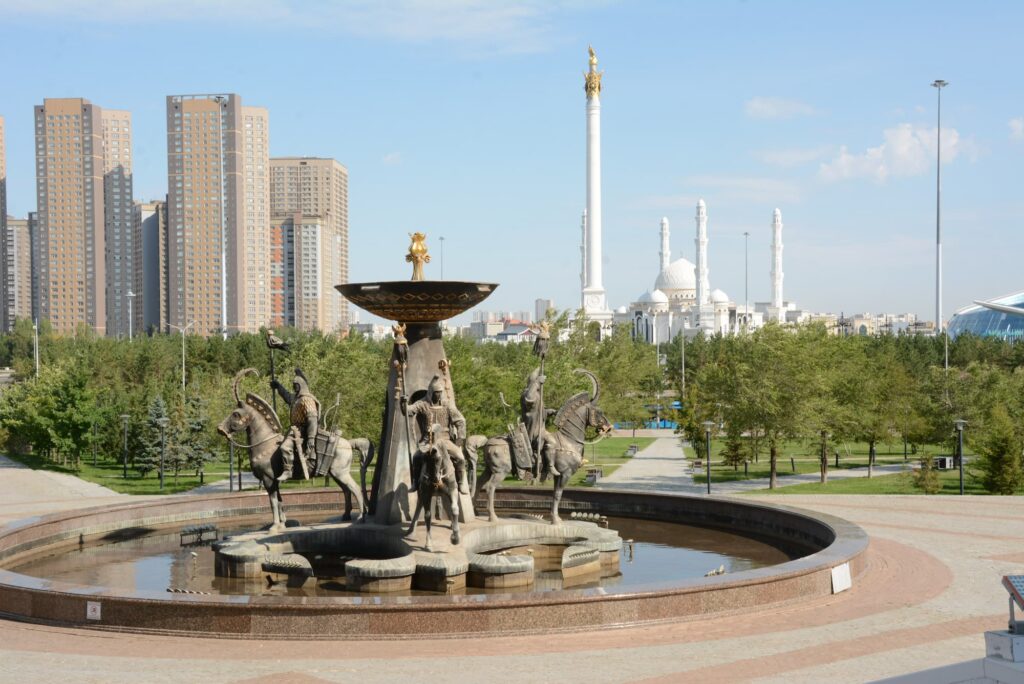
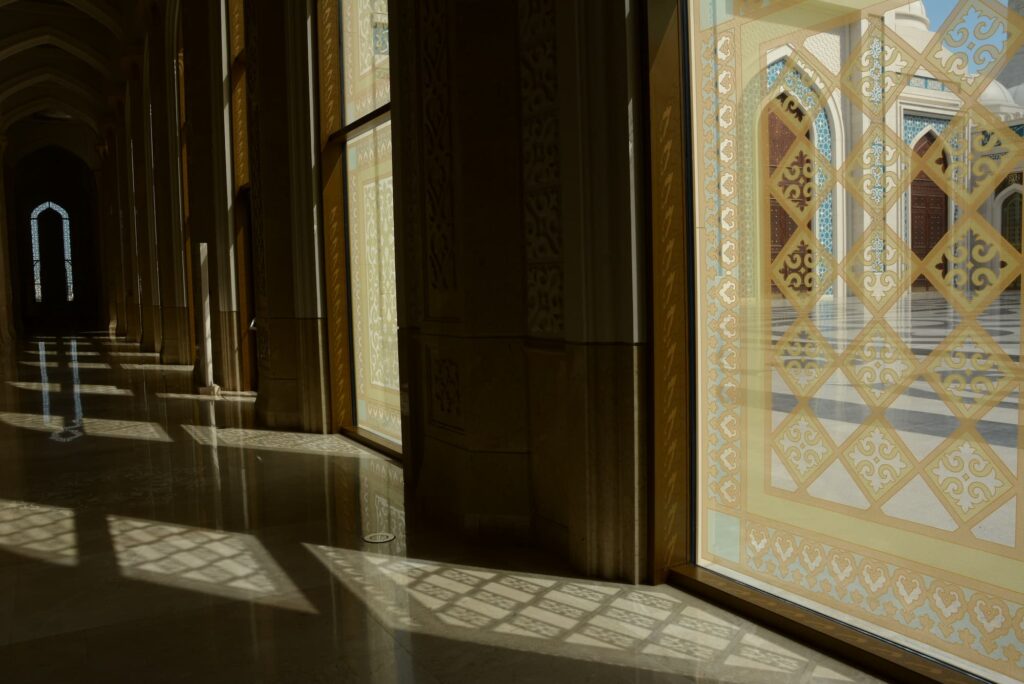
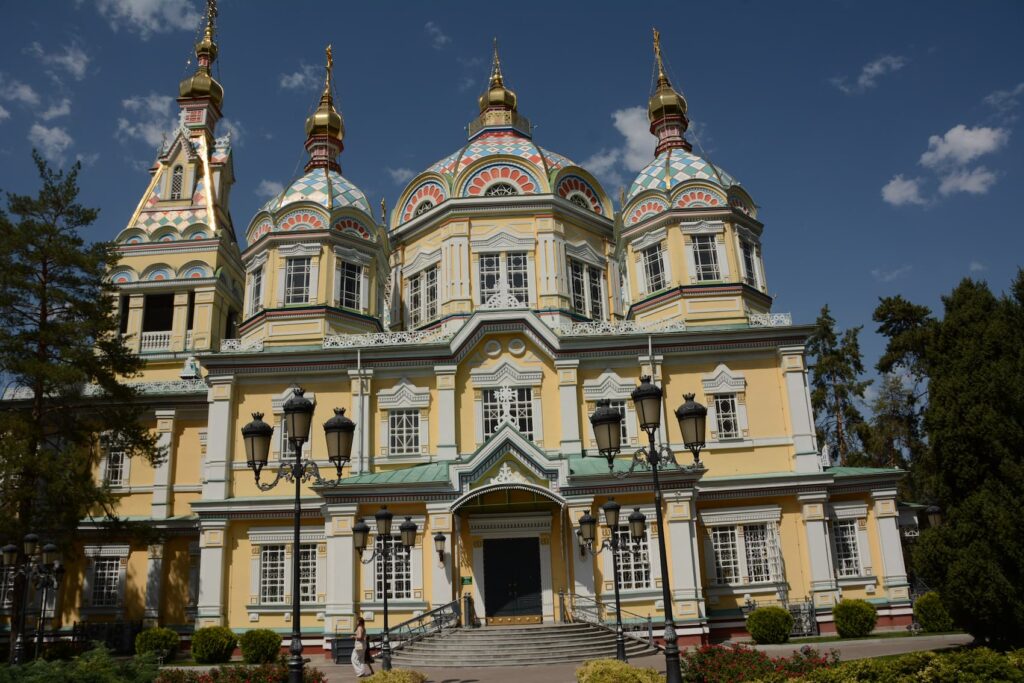
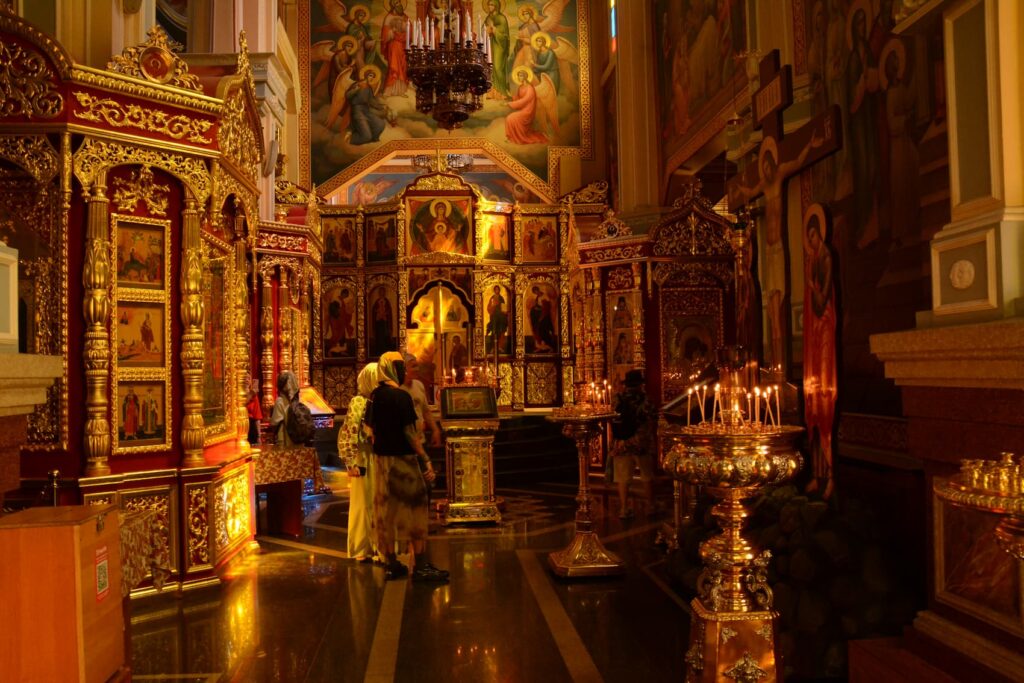
Our 11-day tour included mosques, mausoleums, cathedrals, museums, markets and parks, mixed with hiking and active adventure, local dining, and homestays along the way.
The Silk Road & night trains
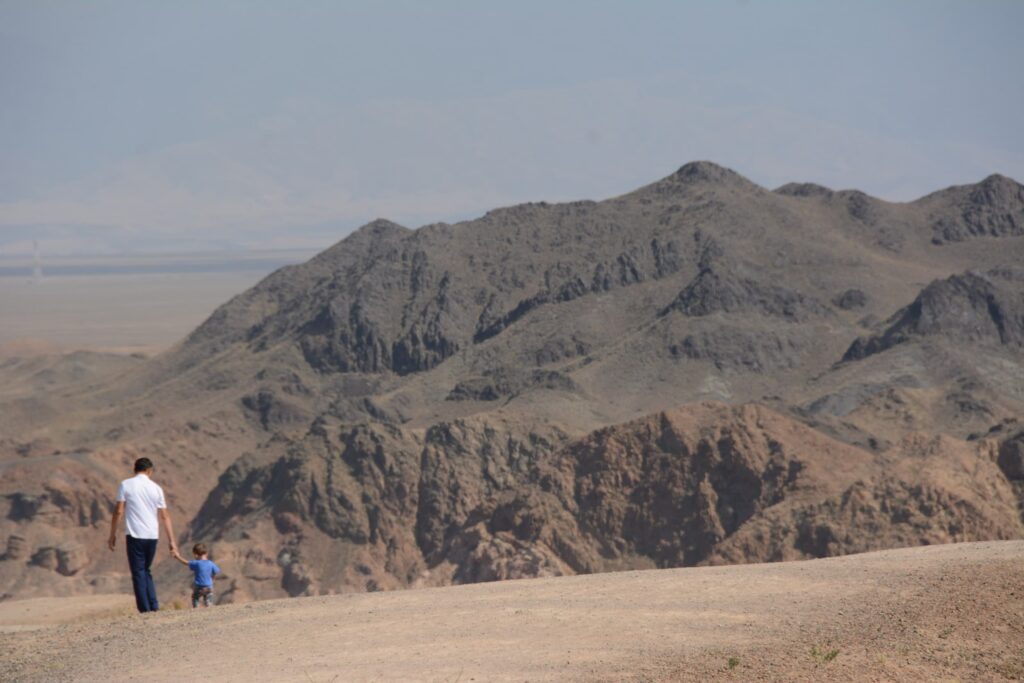
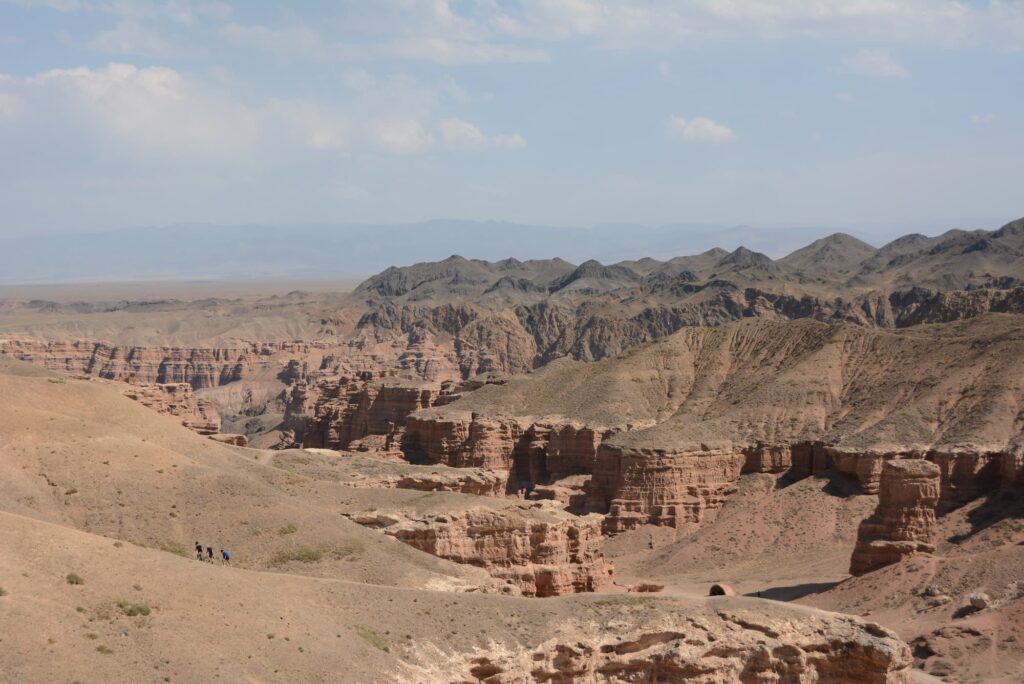
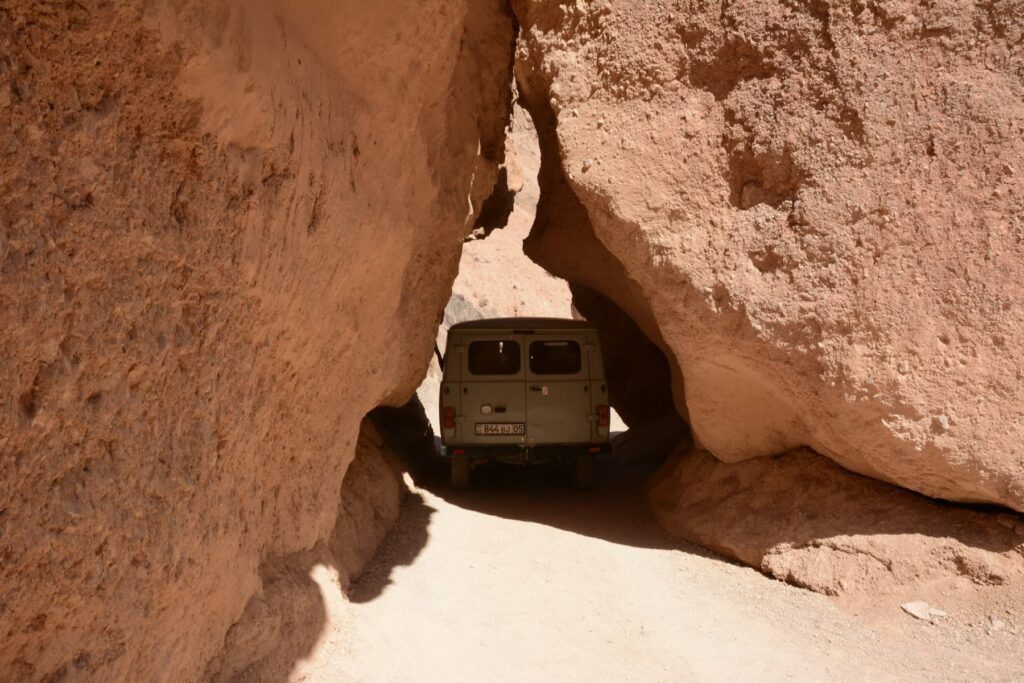
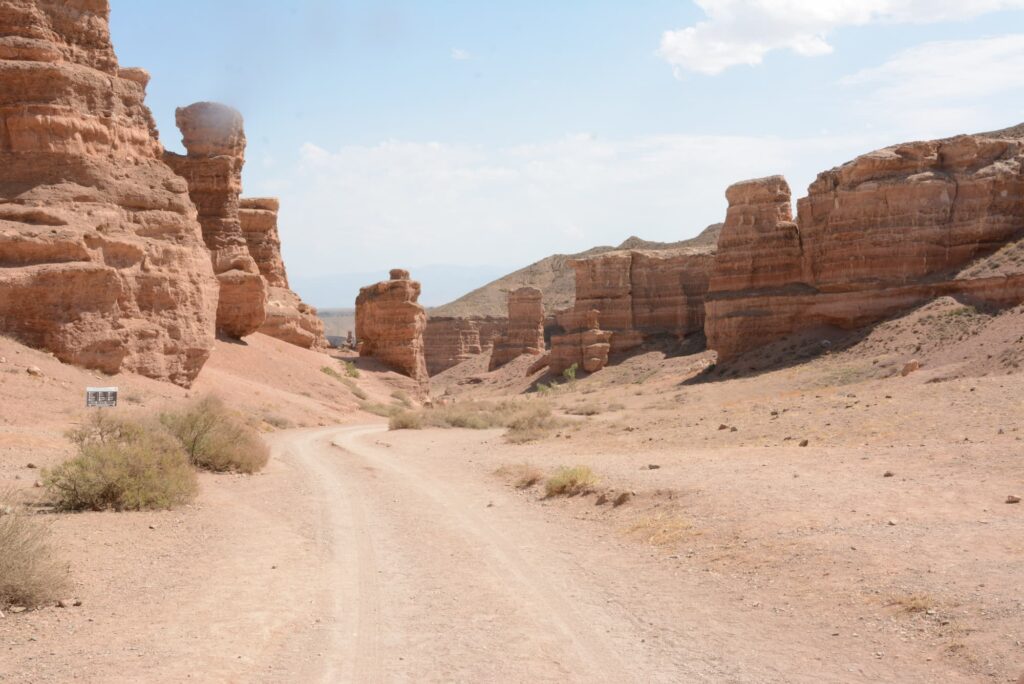
We visited cities and towns, cultural sites, ancient Silk Road trading centers, and explored remnants of palaces and ancient bath houses. Together we rode an overnight train through the Kazakhstan steppe, and hiked to Lake Issyk and Turgen Gorge in Ile-Alatau National Park. Exploring Charyn Canyon, at the foothills of the Tien Shan mountain range was a trip highlight, as was a homestay in Satay Village.
Food & drink
We sampled and dined at a small local winery near Almaty, and we consumed countless meals along the way at local restaurants, featuring Kazakh and Kyrgyz cuisine. Beshbarmak flat noodles with horse meat, kazy sausage, and borsok deep fried bread became less a mystery, as we complimented meals with Kazak tea, in ceremony and respect. Some of us tried our hand at making pasta noodles while hosted by the Dugan family at a private dinner. It was a true feast of northern Chinese cooking, with Central Asian and Islamic influences.
Adventure in nature
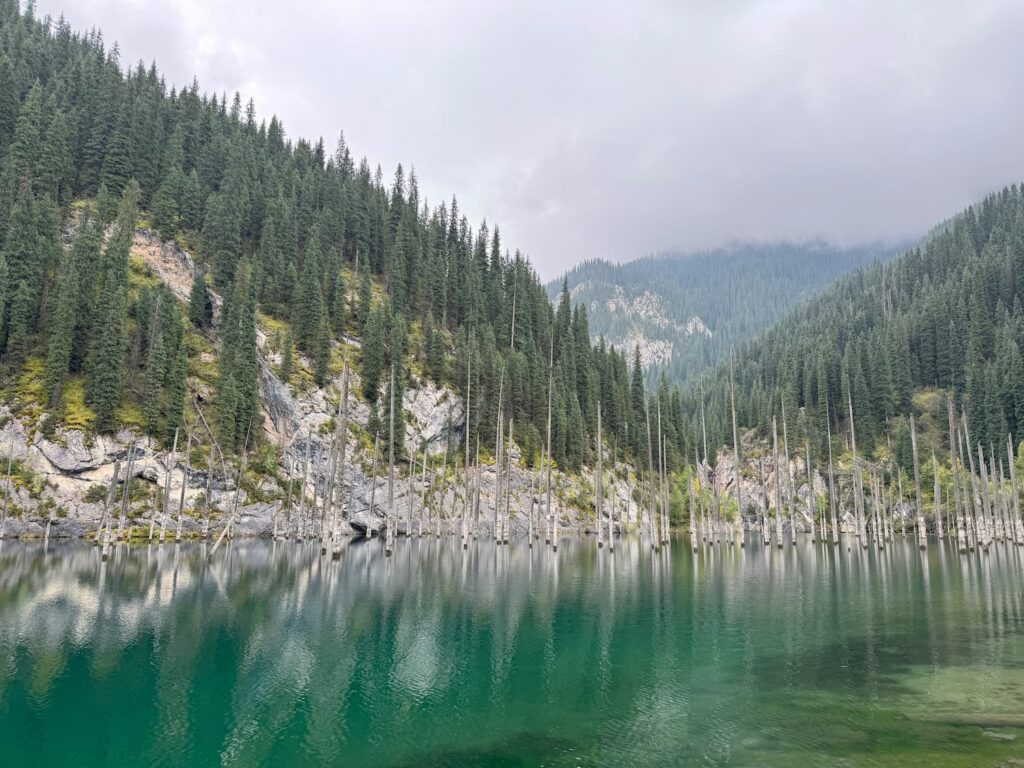
The turquoise waters of Kolsay Lakes was a great hiking destination, where several of us ventured out on the water in boats. Kaindy Lake, with its submerged forest, served a great reminder of the seismic forces that rocked the Kazakhstan in 1911, causing the area to flood.
Crossing the border into Kyrgyzstan
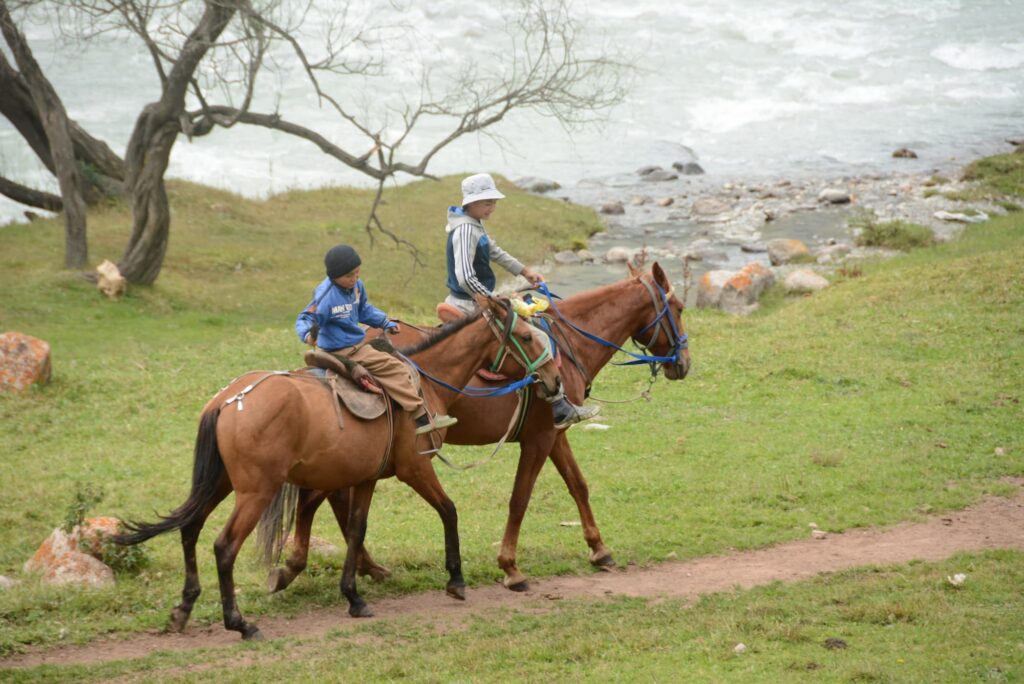
We then crossed the border into Kyrgyzstan, and toured Karakol, once a Russian military post in a bustling Soviet state. The Jeti Orghuz Canyon and hike to the waterfalls, through nomadic hills, yurt communities, often accompanied by horses, appeared plucked from Kyrgyzstan travel promotion. But to those who lived there, it was just everyday life.
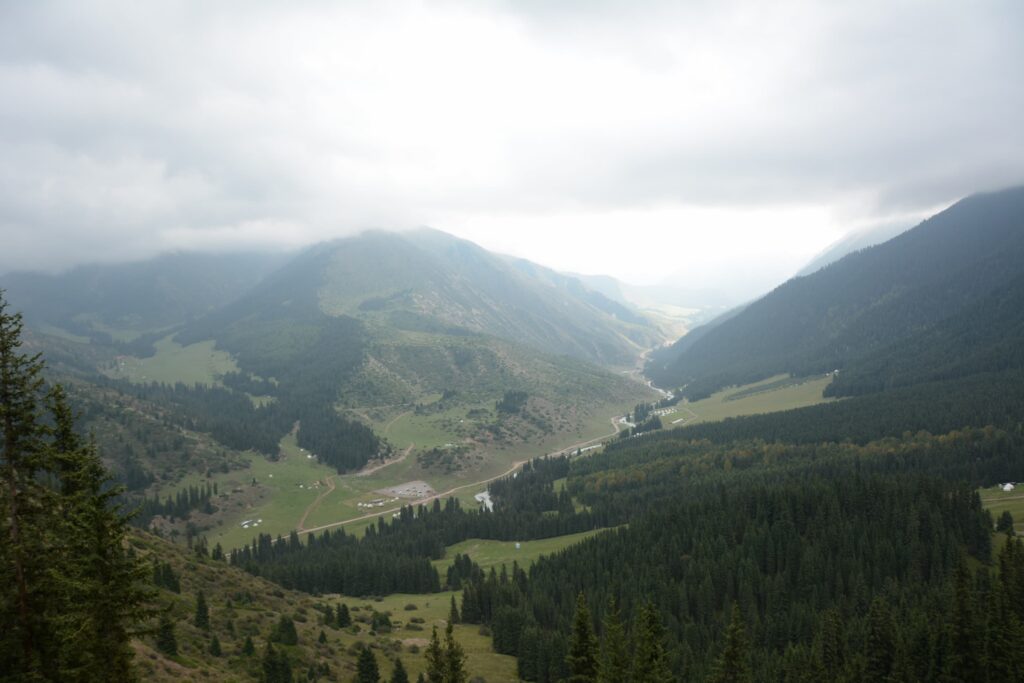
Towards the end of the trip, as we traveled along the northern shore of Issyk Kul Lake, the second largest alpine lake in the world, we enjoyed the snow-capped mountain backdrop, while boating and swimming in the thermal heated waters. In Cholpan Ata we visited ancient petroglyphs, and also checked out site of the 2026 World Nomad Games, being held nearby along Issyk Kul Lake. We then returned to Bishkek for the evening.
Dive Deeper
If you were wondering, why visit Kazakhstan and Kyrgyzstan, hopefully you’ve found compelling reasons that stir your curiosity in my introduction to these countries and a quick summary of the Intrepid 11-day tour. To learn more about the tour, and dive into the juicy details and anecdotes from the road in this detailed article, “Kazakhstan and Kyrgyzstan Adventure with Intrepid: notes from the road”. LINK HERE
Reflection
After our Intrepid tour officially ended in Bishkek, I did a self-guided walking tour of “Soviet Era Architecture the following day, before departing for my international flight home that evening. All the Soviet sites were fascinating, but seeing the massive towering Lenin Statue, one of the few still left outside the former USSR, and standing in Ala-too Square, the site of protests during Kyrgyzstan’s turbulent political fight for freedom, offered a sobering reflection.
For younger folks, the year Kazakhstan and Kyrgyzstan gained independence in 1991, is a distant date on the calendar. But for those of us born in the 1960s and 1970s, and who came of age just as the Berlin Wall fell and the USSR crumbled, the freedom gained since 1991 feels more recent. We remember when these countries and their citizens were repressed behind an iron curtain.
Perhaps that’s what makes Kazakhstan and Kyrgyzstan so interesting to experience. Both countries are new to tourism, and they feel as yet, under explored. But their history is as rich and diverse as the Silk Road.