
This post may contain affiliate links.
A rural Algarve road trip of villages and vistas is the perfect slow travel day – away from the beach, in authentic, local, hilltop Algarve. If you are based in the central Algarve this seven stop route touring areas north of Loule, through Serra do Caldeirdo and Ribeira de Algibre regions is perfectly doable in a single day by car.
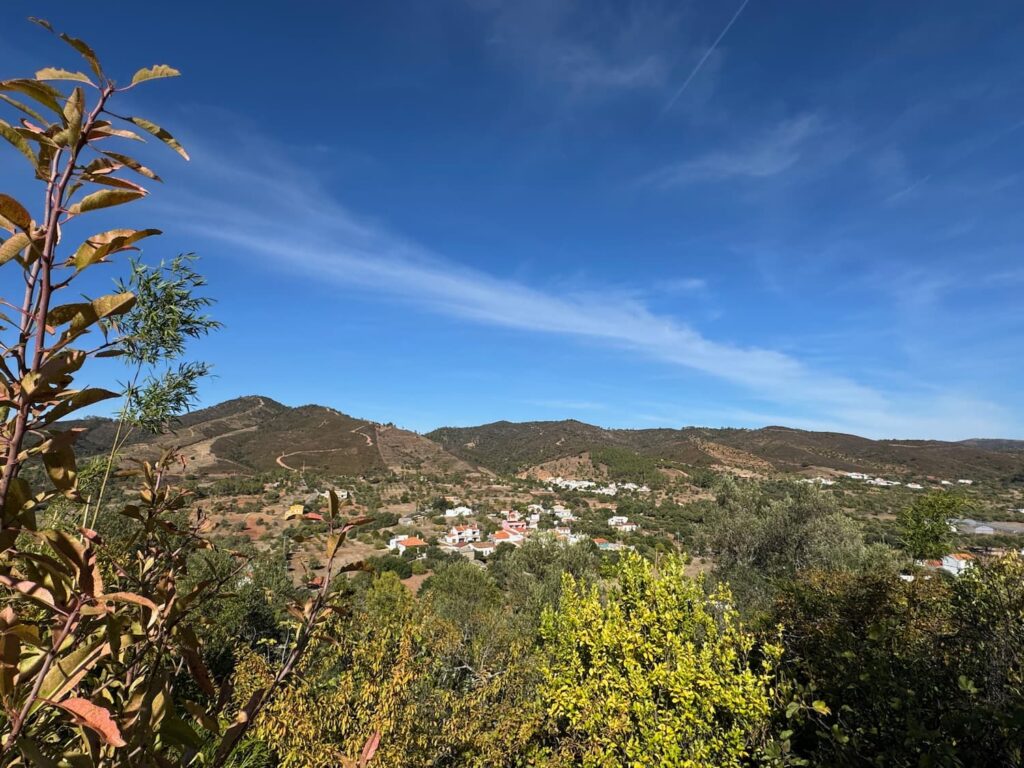
This driving route takes you between castle ruins, rural towns and pocket-sized museums, where you get a real taste for rural Algarve living.
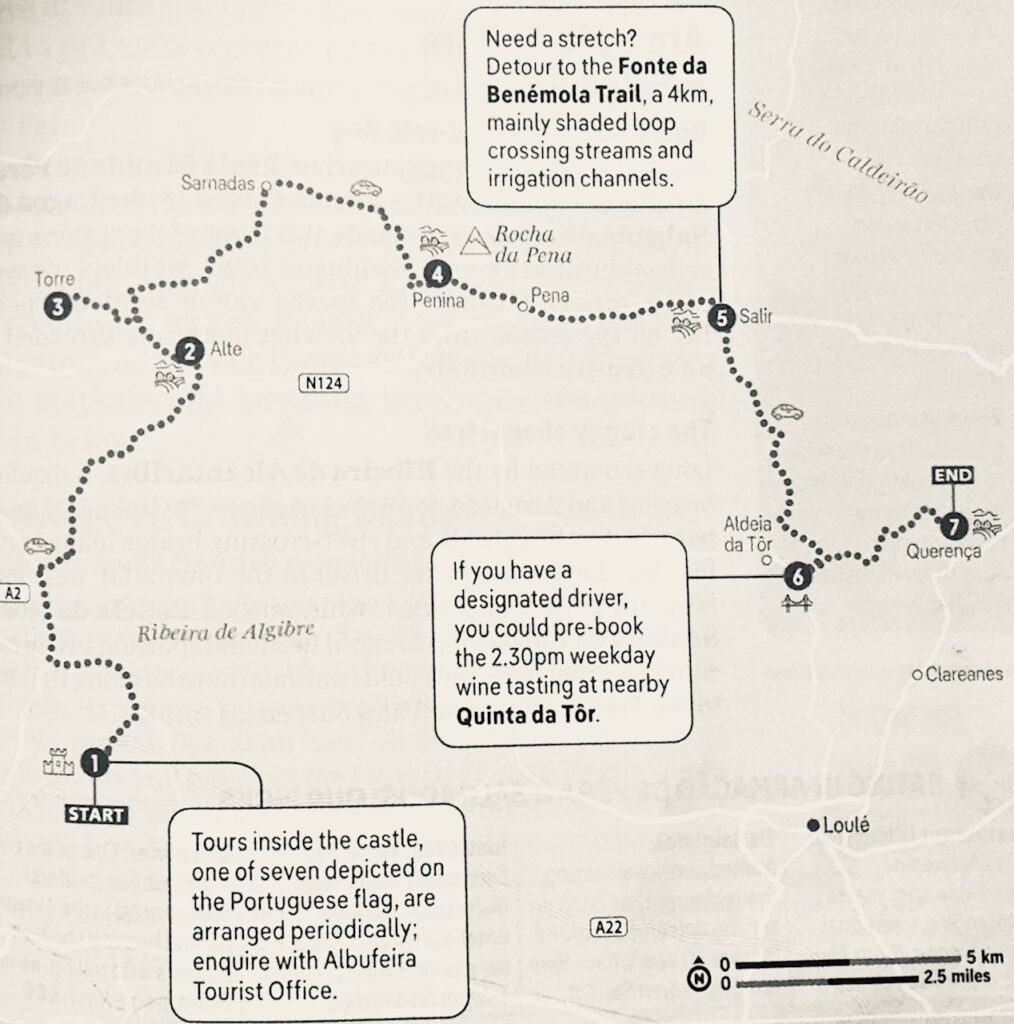
The route starts in Paderne, at the Castle of Paderne and finishes in Querencia, a tiny hilltop village just in time for a glass of wine. Or you may wish to do the route in reverse, starting with a hilltop morning coffee in Querencia, and ending at the Castle of Paderne ruins. If you want to geek out on ruins, and leave time for an added hike around the valley at the Castle of Paderne, you could end your tour in Alte, conceivably the Algarve’s most quintessential rural village, then return to the Castle of Paderne as a separate day trip, to not feel rushed.
The total distance covered is only 50km. The route will take you 6-8 hours, allowing for stops in each location. Approximately 2 hours is driving time.
We did this single day tour in reverse. We returned to the castle the following day to enable a 2-3 hour hike in the valley.
Full credit to the Portugal Lonely Planet guide for inspiring this road trip through the rural villages of the Algarve.
Stop 1: Castle of Paderne
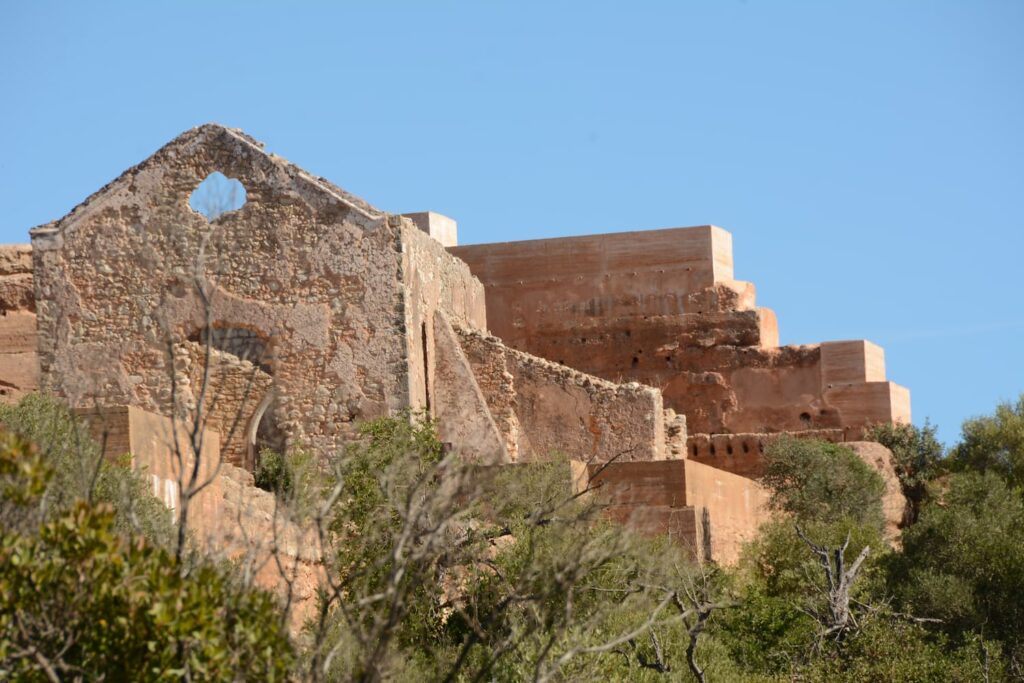
This 12th century Moorish rammed earth fortification is one of the seven castles featured on Portugal’s flag. That alone makes it an interesting stop. But the structure also houses a lot of history important to Portugal and the Algarve.
History of the Castle of Paderne
Built during the late phase of Islamic presence in the Algarve (12th century or first decades of the 13th century), this rural fortress is a paradigm of Muslim military stucco architecture in Portugal.
Contrary to previous times, when the military network was mainly centered in the cities, the gradual advance of the Portuguese kingdom led to the construction of a second fortified line, made up of medium-sized rural fortresses. Located between the important cities of Silves and Loulé, the Paderne castle controlled an important route between the inland territory and the coast of the Algarve.
There was a farmstead surrounded by a robust wall, and a gateway protected by a watchtower. The narrow streets had a sewage system. Blocks made up houses and a central patio.
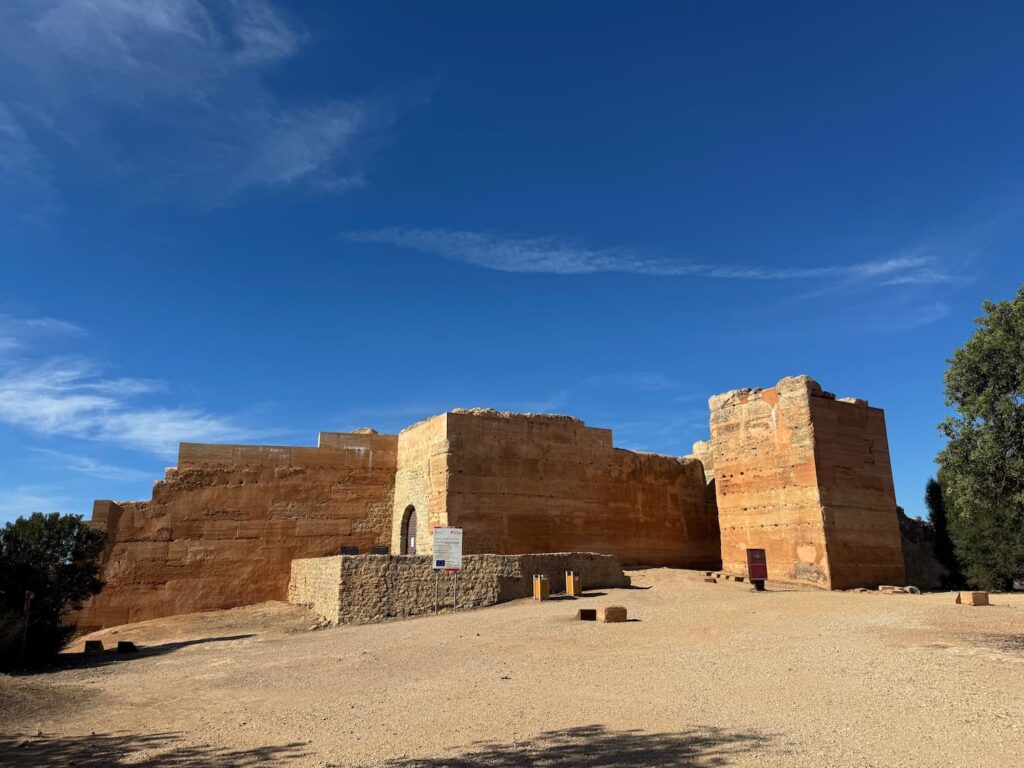
After the Christian conquest in 1248, the new occupants adapted the initial urban model. The transfer of the kingdom of the Algarve to the Portuguese crown led to the gradual abandonment of this important military stronghold. The castle was badly damaged by the 1755 earthquake.
Accessing Castle of Paderne
There is a dusty, dirt-road drive up, but we recommend parking under the A22 bridge and walking up on foot if you are not rushed. Google maps might try to take you on some impassable rural dirt roads in an attempt to get to the castle more quickly. Just know that you should stick to paved secondary roads and not accept suggested short cuts. We had to abort mission on a sketchy road, which left me cursing the Google Map fail.
Valley hike
There is a 3km loop trail that includes the three-arched medieval bridge, which is visible from the castle. This is a worthwhile outing, since you can also learn about the aqua-duct system for getting water to the castle, through additional ancient ruins in the valley.
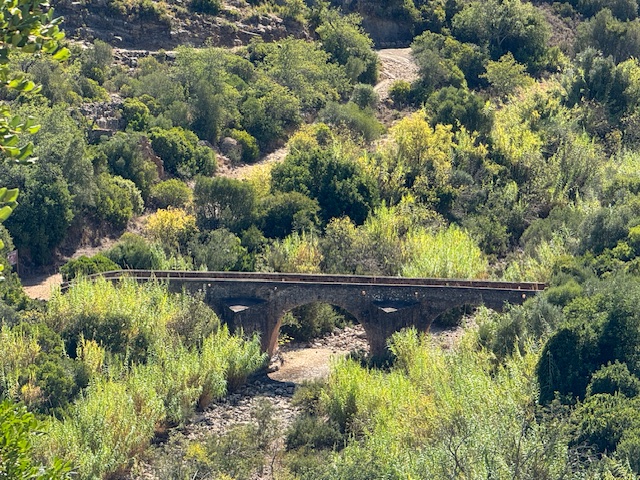
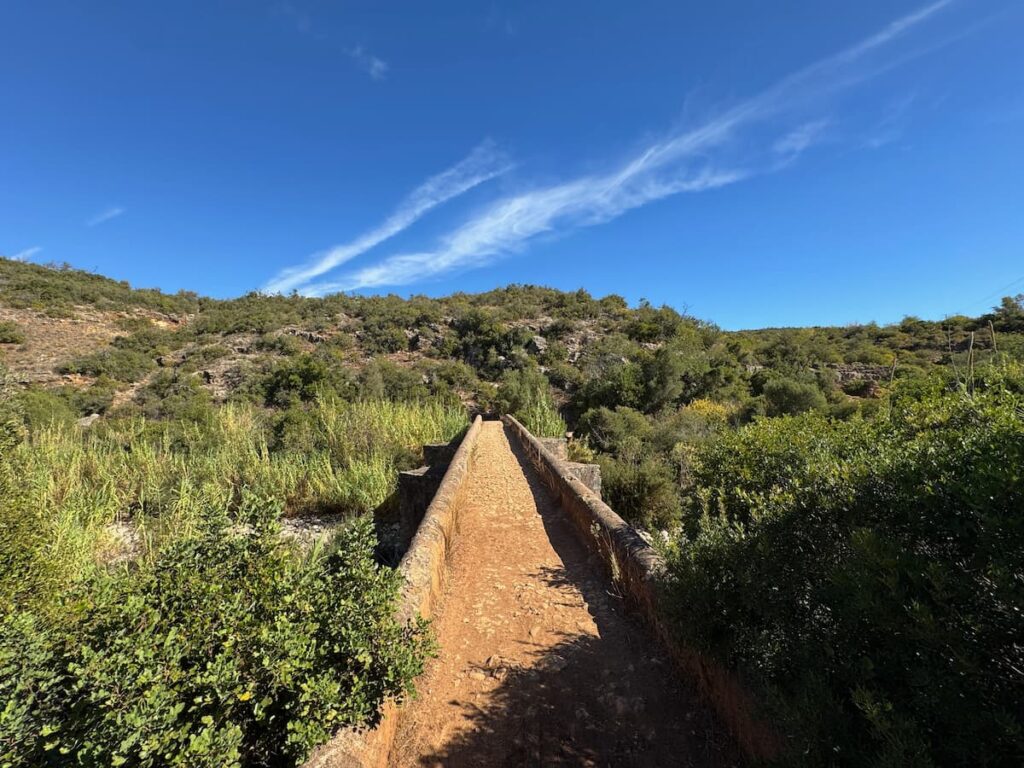
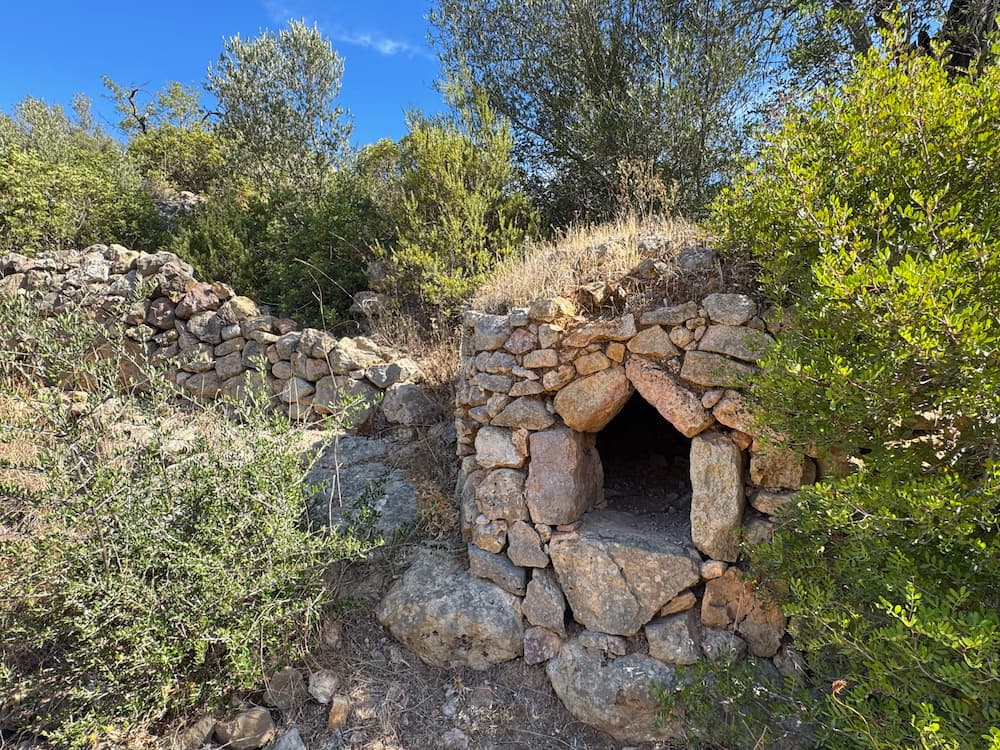
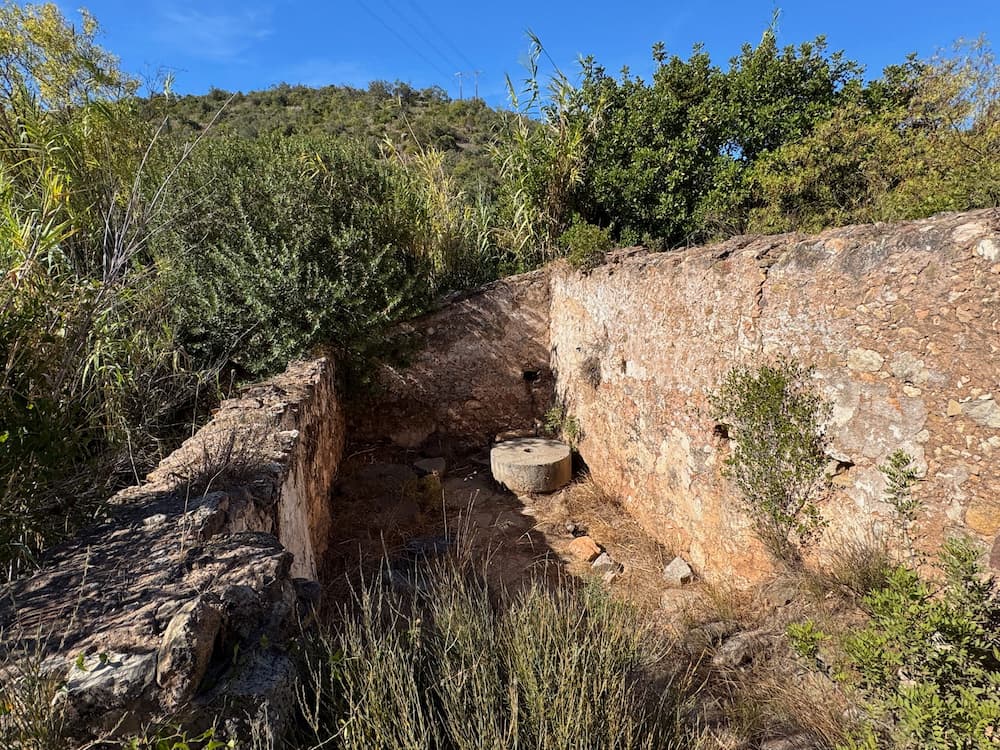
This path is part of the Rota do Castelo, a route. You can also access it by an old mill, close to the parking area under the A22 bridge.
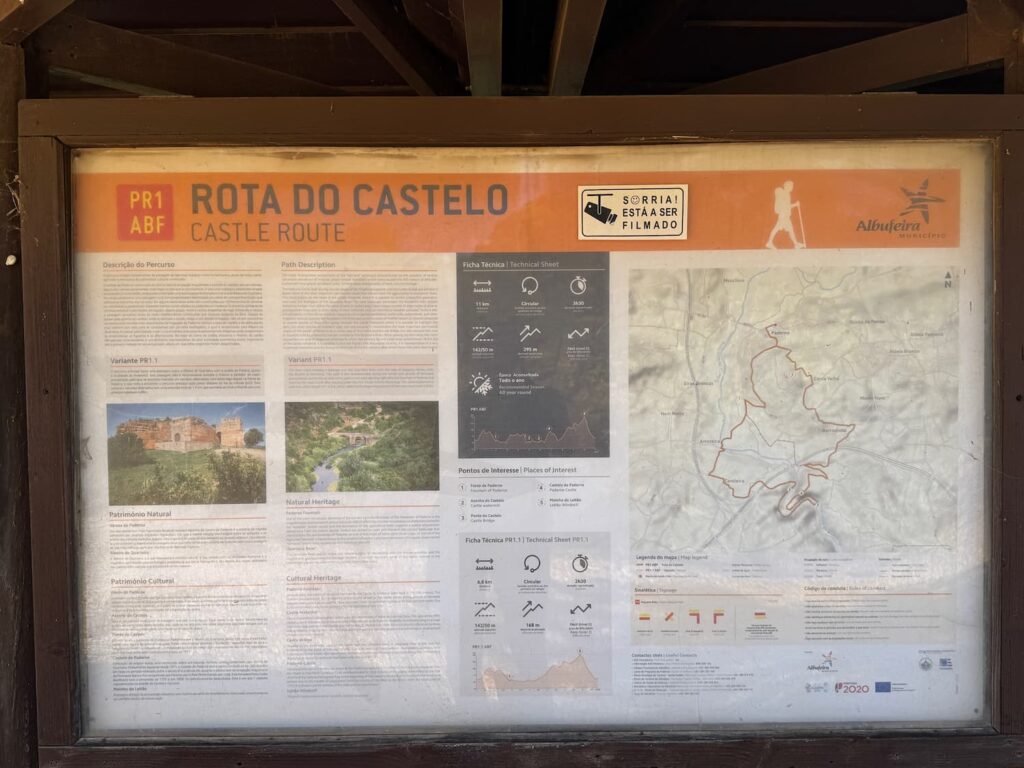
Note: We did the extended hike as part of a second day, since we got a late start on the tour. If you want to be sure to see all seven stops on the tour, you might want to limit your stop here to just visiting the Castle of Paderne, or be sure to get an early start.
Stop 2: Alte
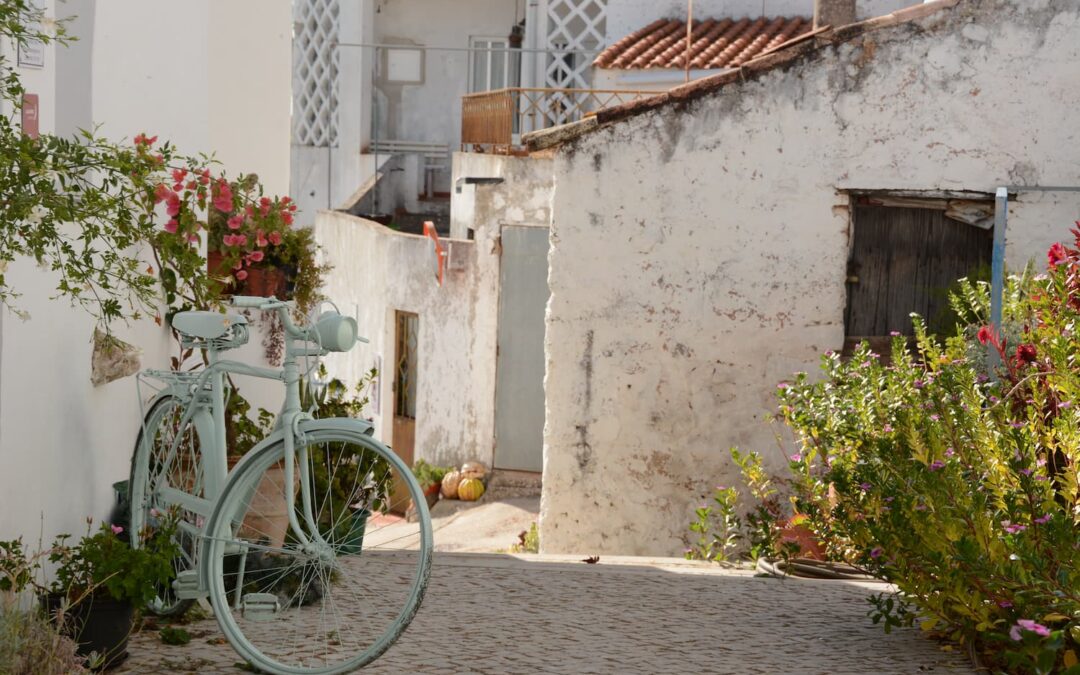
Alte is a quintessential rural village in the Algarve. It has streams, mills and the Queda do Vigaro waterfall, in addition to being a quaint little town of narrow cobblestone streets.
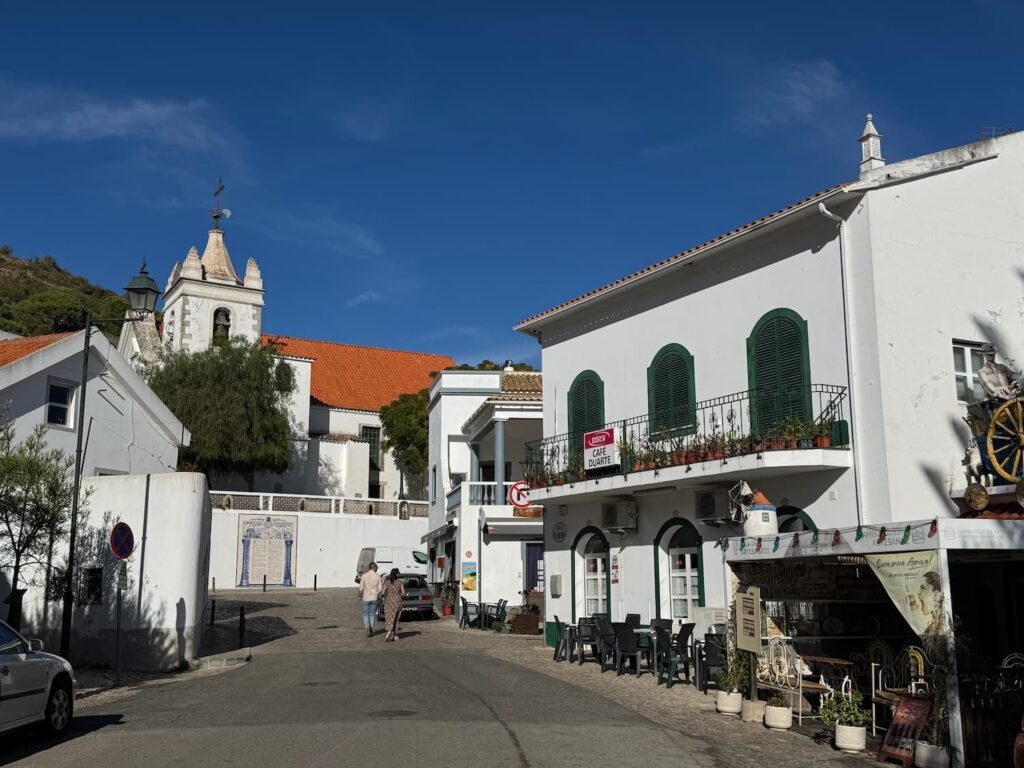
It is however, the most touristy of the small villages we visited. Seems local tours out of Albufeira have the town on their visiting list. This are parking spots for tour buses, and town shops offering souvenirs. We didn’t see any large tour buses during the time we visited in the October. But there were several open roof jeep groups adding a dash of history to a bachelorette party weekend.
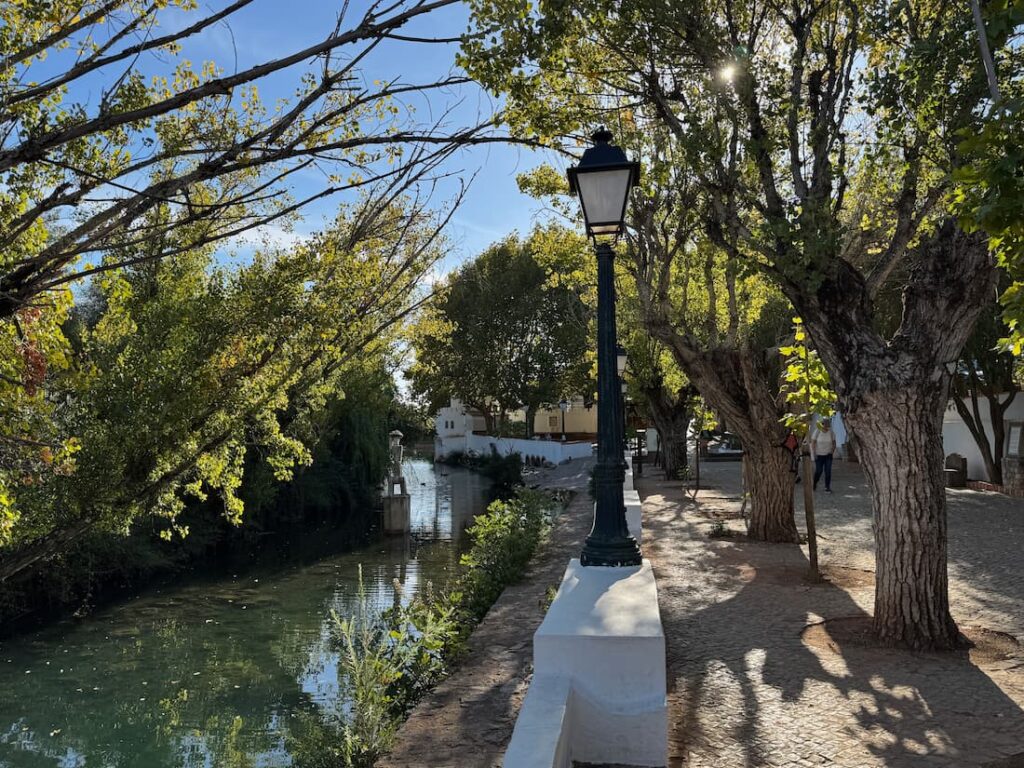
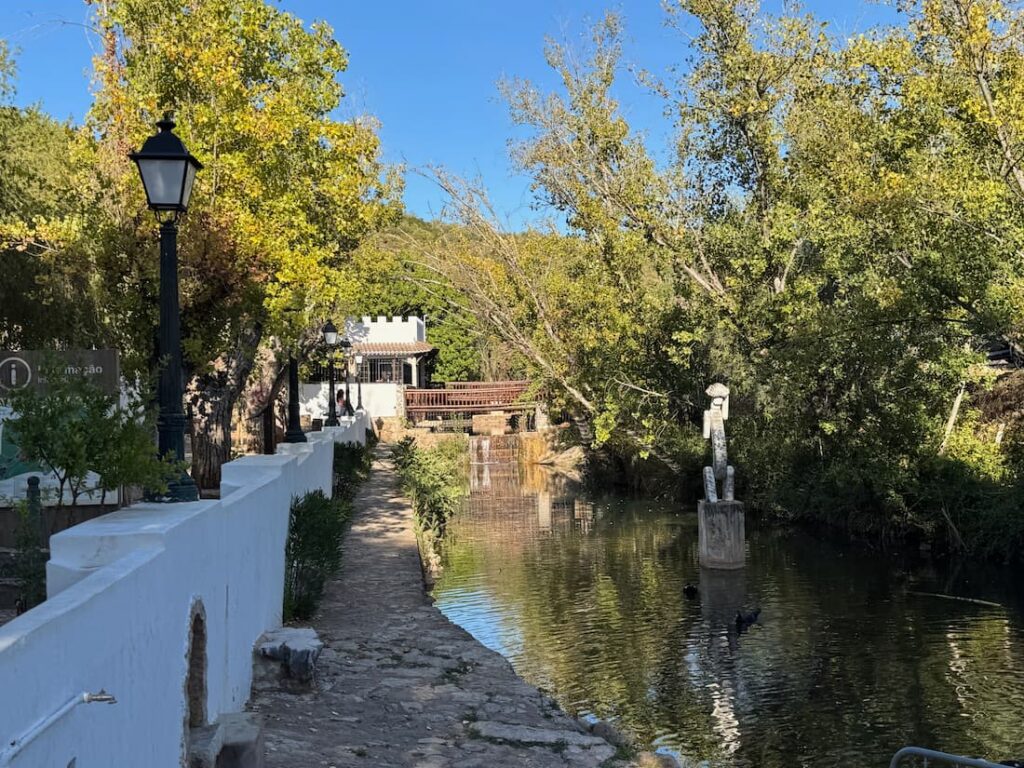
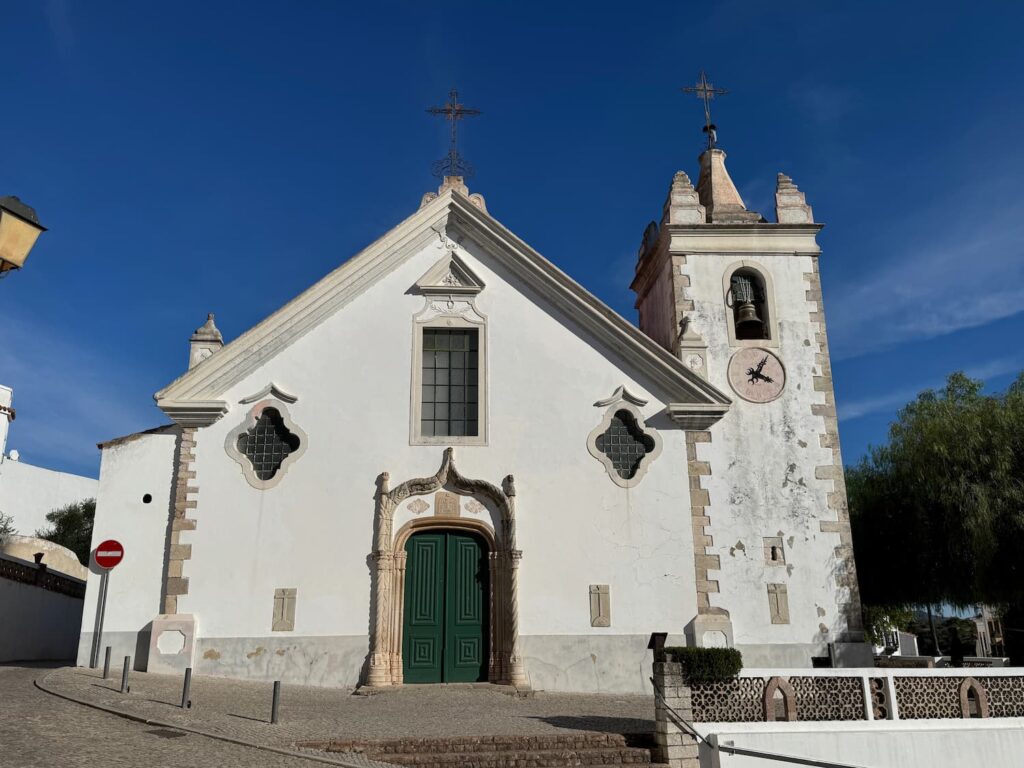
Take a walk around town, check out the cathedral, and wander down by the stream. Then grab a coffee, beer or a snack at Café Duarte.
Stop 3: Fabrica de Brinquedos
Located in the hamlet of Torre, Fabrica de Brinquedos is testament to female entrepreneurism, and ingenuity. What to do with an under-utilized school, with fewer children in the village, and the need for employment in the area? They opened a shop in the school, featuring traditional hand-crafted wood toys. The shop is closed on weekends though, so unless you’re traveling mid-week, you’ll have to settle for a quick look around Torre. Still worthy of a stop for its Algarve village charm.
Stop 4: Penina
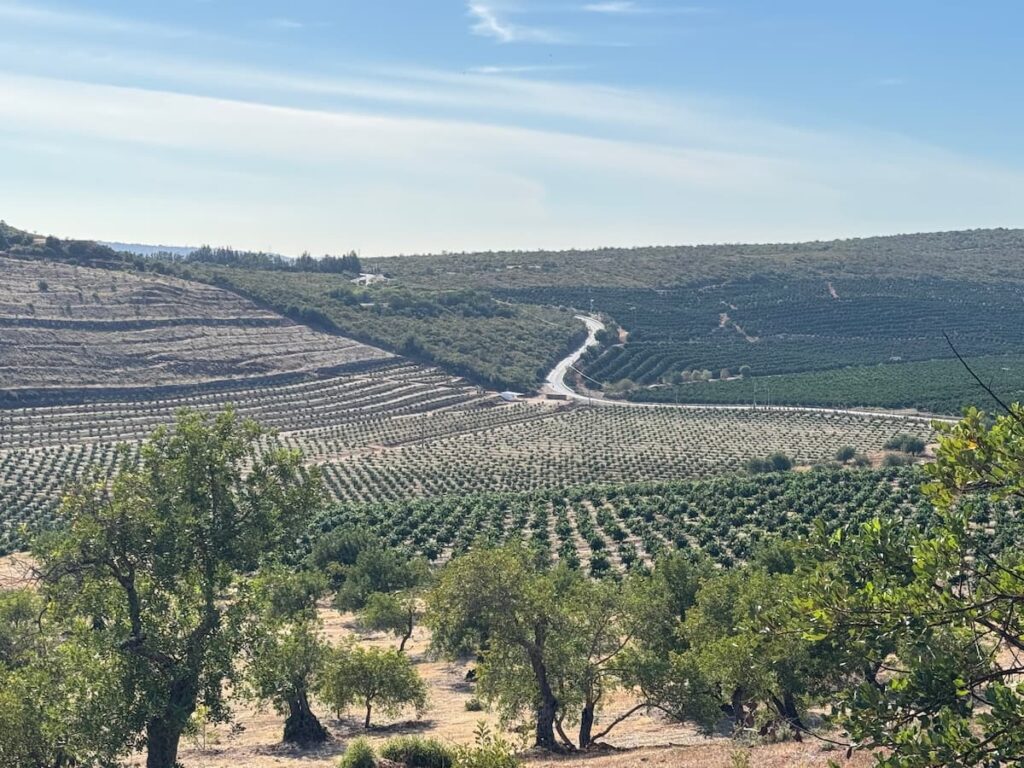
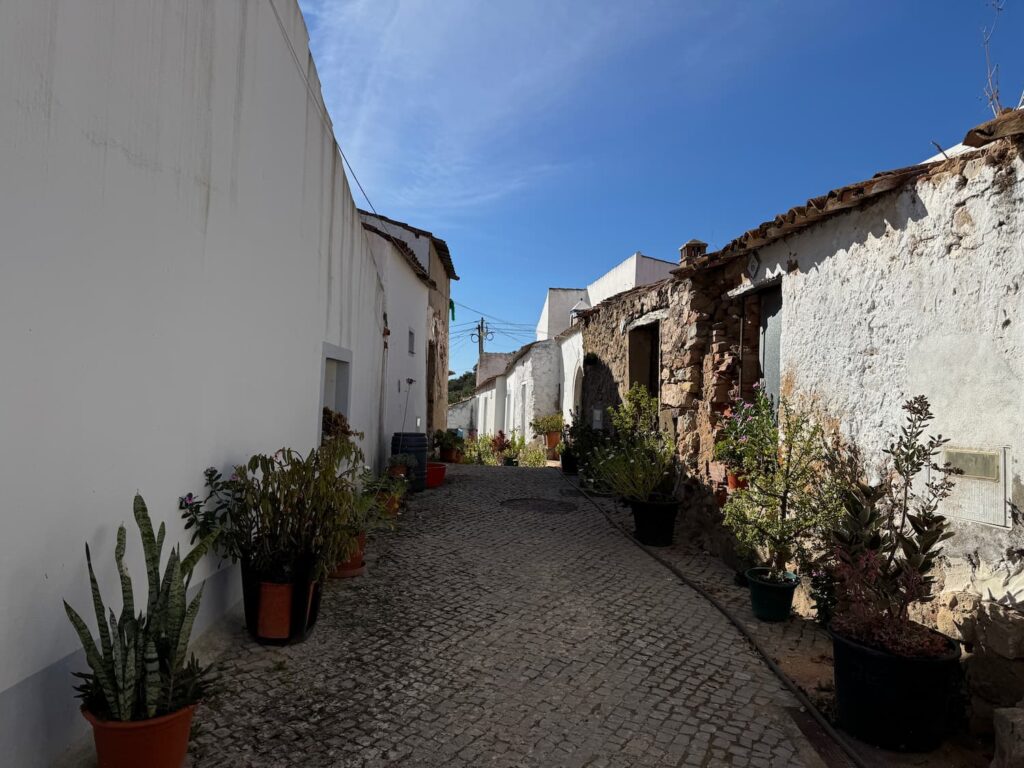
Penina is located in the orange grove hills of the Algarve. Old stone and concrete homes line the narrow cobblestone streets of this tiny village. We only saw one person while visiting this tiny village, a local fellow doing some stone work in the alley.
There’s a two-room typical rural home museum which is worth a stop to get an insiders look at rural Algarve village life.
Drive with the Rocha da Pena rocky outcrop to your left, towards Salir
Stop 5: Salir
In Salir you will see the remains of the 12th century Moorish castle via the small Polo Museologico de Salir. It is closed on weekends, but you can still access the ruins by the side path, which is what we did.
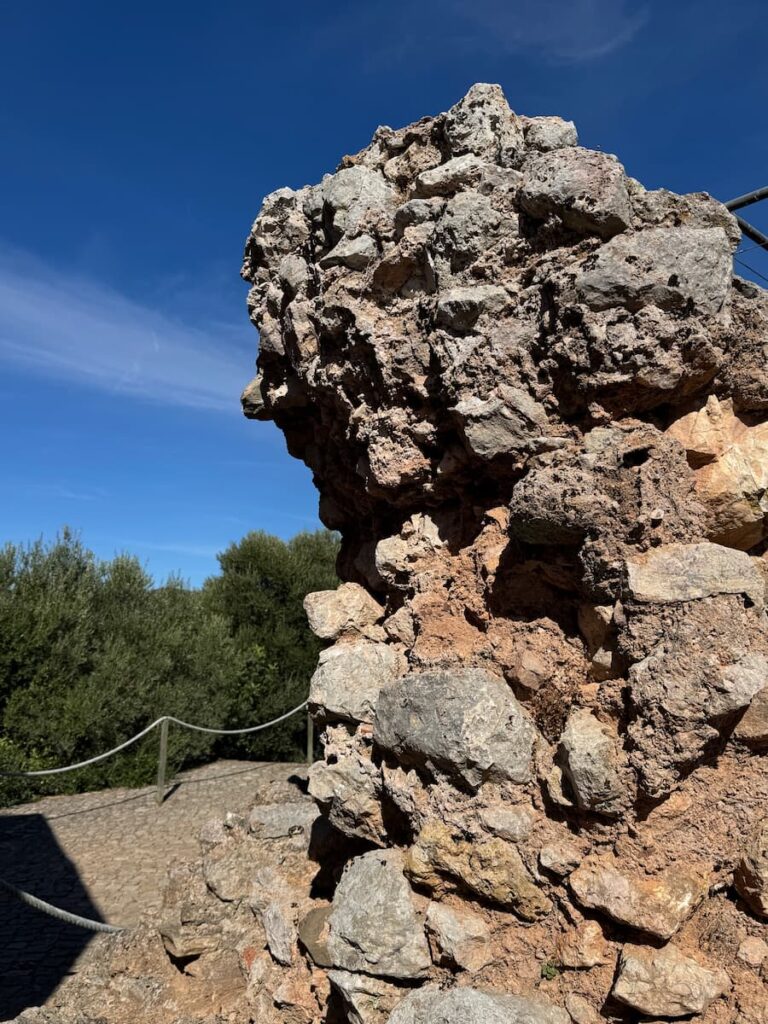
Salir is a quaint little village, with homes built into the hillside maze of narrow cobblestone streets. We parked the car and walked around after checking out the wall remains of the Moorish castle.
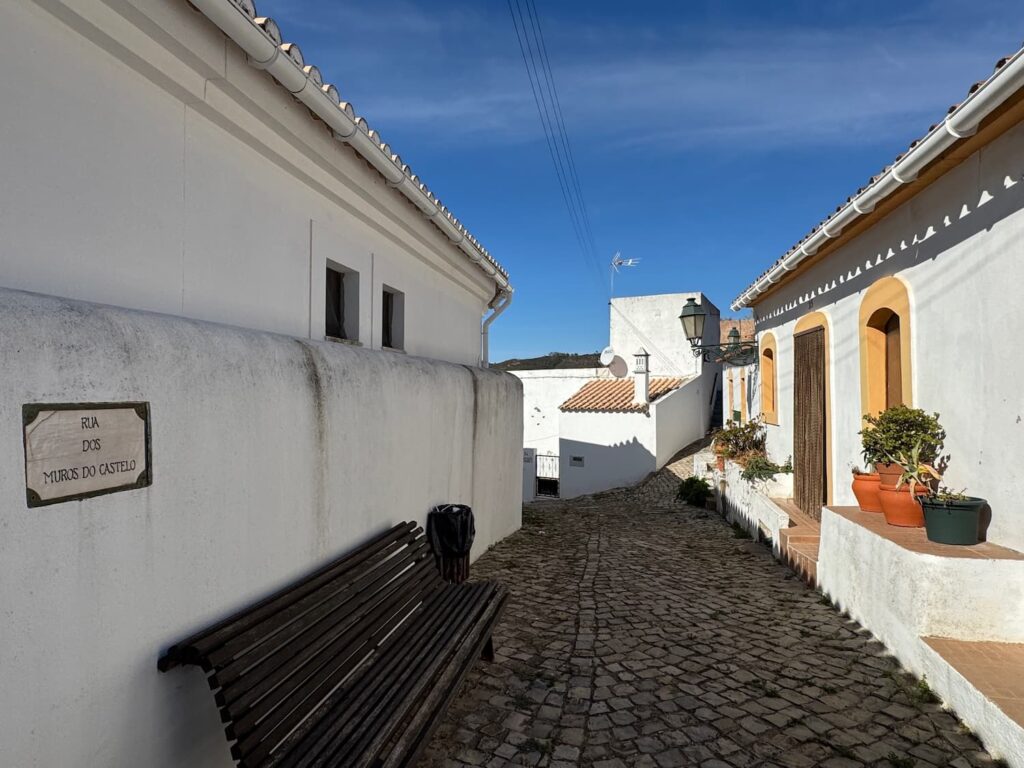
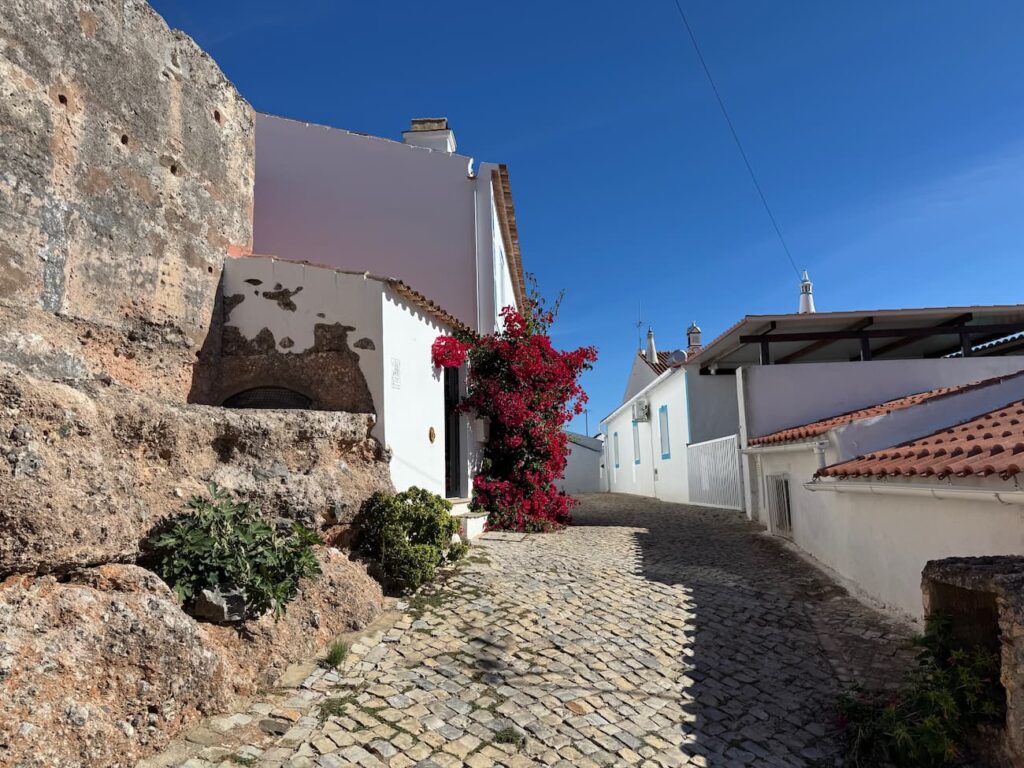
Stop 6: Ponte de Tor
Ponte de Tor is a historic 15th century stone bridge in the village of Tor.
Stop 7: Querenca
Querenca is an endearing hilltop village, with a prominent cathedral, town courtyard and café.
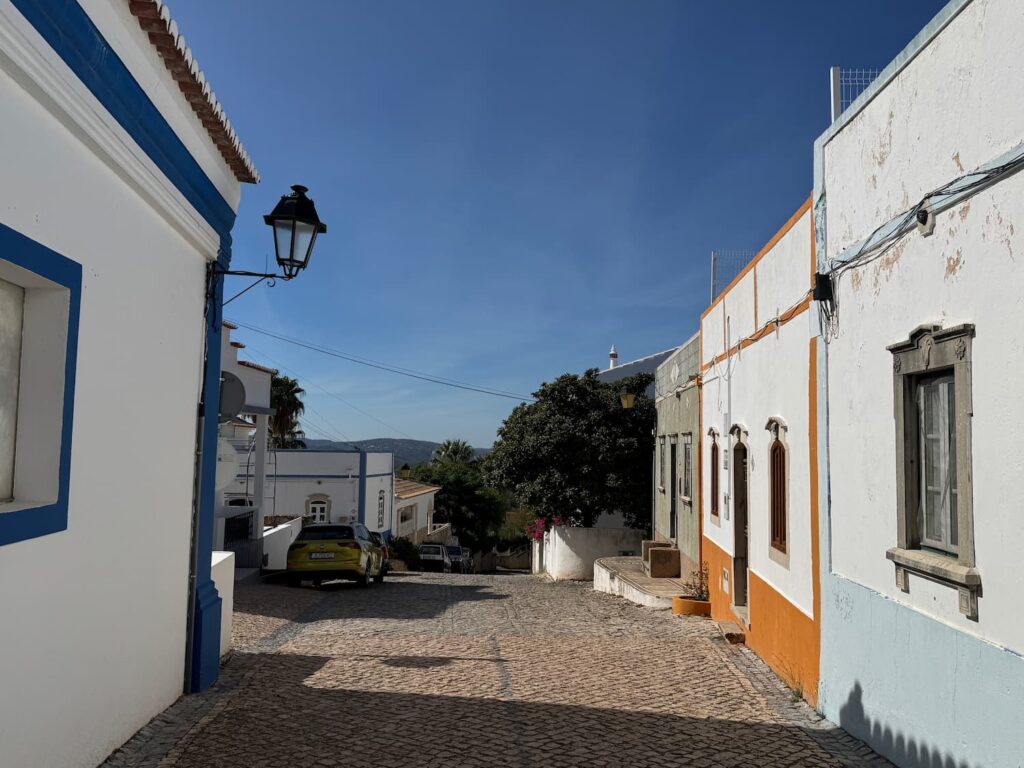
But it’s the natural artesian spring, located nearby, centered around Olho de Pariz, (the “eye of Pariz”) high atop the Algarve, which makes this town an interesting stop. The Olho de Pariz is tied directly to the Querenca-Silves Aquifier, which is the largest and most critical freshwater reserve in the entire Algarve region. The Olho de Pariz is a natural overflow valve for the limestone aquifer. Following prolonged rainfalls during winter, the underwater table rises and the siphon bursts under hydraulic pressure. During the dry months following summer, when we visited, there wasn’t much happening. But if visiting in the winter or spring after heavy rainfall, the 2km scenic hike along the Olho Pariz (Rota da Agua) would be worthwhile.
At the center of town, across from the cathedral, is a cross on top of a limestone rock with water running beneath. It signifies the importance of water for life, in Querenca, and all of the Algarve.
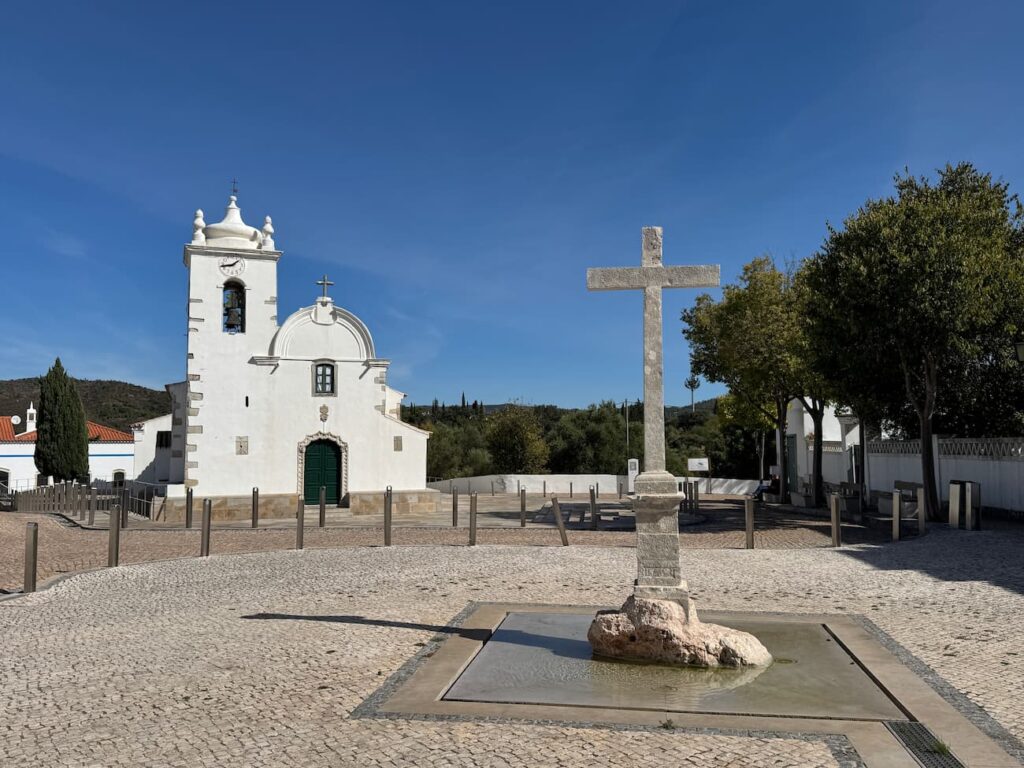
The Polo Museologico da Agua, located in Querenca, displays regional waterway traditional equipment. Like several other museum attractions in rural areas, it is closed on weekends.
Even if a deep dive into water aquifers isn’t your thing, this charming little hilltop village is lovely. Stop for a coffee or a glass of wine, and just enjoy the cobblestone patio ambiance as nearby residents come to meet friends at the café.
Driving tips
We used Google maps to plug in each next destination. We selected the rural country roads rather than highways if given a choice. Use the suggested route map to help guide those choices. But definitely use caution in accessing Castle Paderne this way, as noted earlier. There are a few very rural (as in impassible dirt roads) that you shouldn’t venture on, and Google failed to flag them as inappropriate.
Pack your curiosity and enjoy this rural Algarve road trip of villages and vistas!
Where to stay
We stayed at Casa da Horta, a wonderful centrally located property, located on a former orange farm, just outside of the Albufeira. Casa da Horta is locally owned and operated, with just 14 casa villas – all fully equipped with kitchen and living space. The grounds have shared BBQ, pool, and garden lounge space, plus rooftop deck. There’s also parking, which was great for day touring around the Algarve.